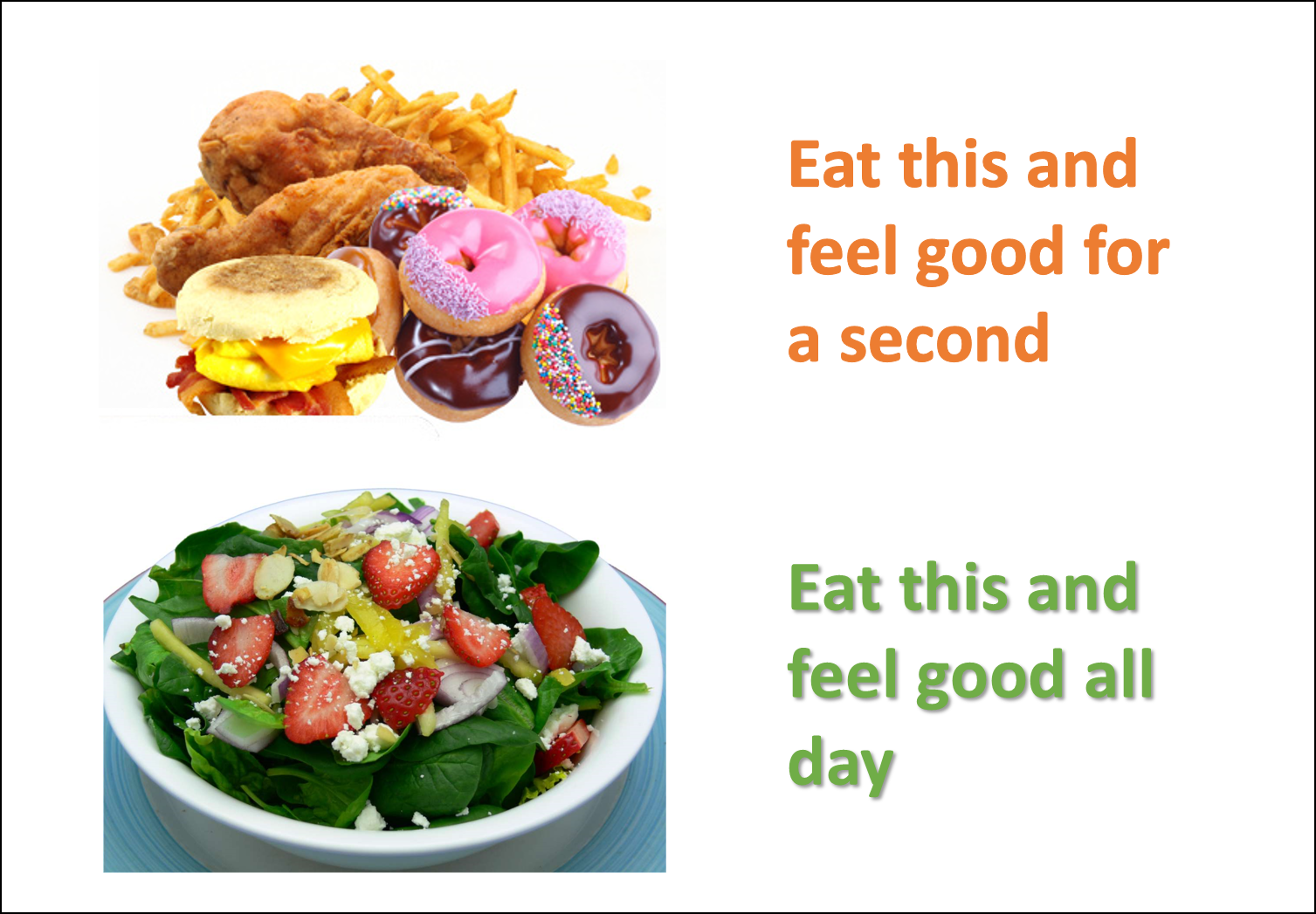
 2. Realize what is nutritionally essential and beneficial - Fruits, vegetables, whole grains, sources of good fats and lean protein. Hundreds of studies have noted the benefits that these have in reducing the risk of heart disease, stroke, cancer, obesity and other ailments. The antioxidants found in such foods may play a role in slowing the effects of aging as well.
However, the popular diets shift these percentages for weight loss or specific performance needs of the individual. The popular Zone diet of the 70’s and 80’s had 40% protein, 30% carbohydrates, 30% fat as its core menu and the Ketogenic diet minimizes carbohydrates to even lower amounts. Understanding the relationship between fats, carbohydrates and proteins is key to knowing what to put on your plate.
Before you go to the doctor, try to keep a complete food diary for a day or two. If there is a problem there, it will help your doctor to be able to see what you’ve been eating and drinking. If you can’t be exact, at least list stuff. And if your digestion is a real problem, note those issues in the diary, as well.
The glycemic index of carbohydrates indicates how quickly the sugars will enter the bloodstream and thus be utilized. If the glycemic index is high, like with bagels, simple sugars and juices, then the sugar will enter the bloodstream quickly. If you’ve ever heard about children and candy, you will find it easy to understand the surge effect that these simple sugars can have on the body.
Fat is essential for many reasons and eating fat doesn’t necessarily make you fat. We saw an increase in the obesity rates even though “fat-free” products were dominating the grocery stores. Fat is essential to helping the body absorb and breakdown many important vitamins and minerals. Fat-soluble vitamins include A, D, E and K and while fat helps these vitamins dissolve in foods we eat, they are stored in your liver and fat tissue until needed.
According to the American Diabetes Association, losing just 7% of your body weight can lower your risk of developing type 2 diabetes. That’s just 15 pounds if you weigh 200 pounds; 10 or 11 pounds if you currently weigh 150 pounds. A diet to prevent diabetes is good for the whole family, so there’s no need to buy and prepare special foods just for one person.
Our Healthy Diet Plans are designed to help maintain energy levels, as they're packed with healthy fats, lean protein and slow-release carbs. If you haven't already, sign up today for free online access to the plan. We asked nutritionist Kerry Torrens for her three top tips to boost your energy throughout the day, plus how the recipes from our latest Healthy Diet Plan can help you achieve your goal.
Diets for weight loss will typically include a form of exercise for calorie deficit to occur. Exercise burns calories, and you’ll need to burn 3500 calories for the loss of one pound. But is exercise essential for weight loss? According to the American College of Sports Medicine, individuals should spend 30 minutes daily of moderate activity.
The No-Label diet is a simple way of eating any foods or beverages that simply do not carry a nutrition label. It is these foods that you may indulge in almost endless amounts: fruits, vegetables, meats, nuts, and water. If food has a label on it then in some way it has been processed. The purpose of nutrition labeling now is to provide the information you need to make healthy choices about the foods you eat. Anytime you hear the word “diet” a simple understanding of calorie deficit is apparent.

Post a Comment for "What Are Good Healthy Eating Habits?"